
Annotations of Page 2
Residents in Kashmir
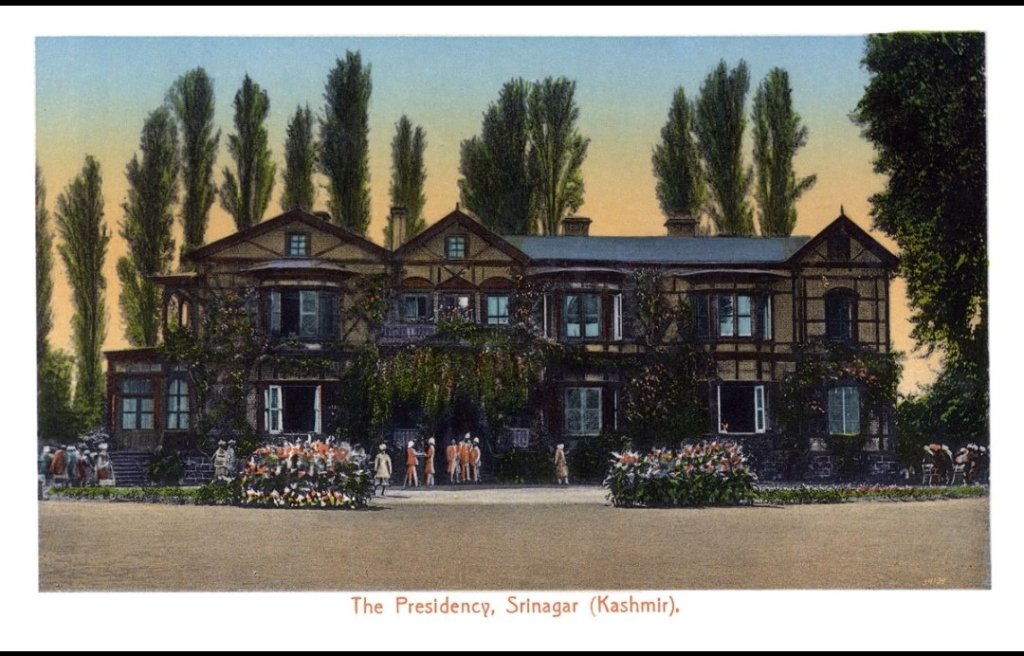
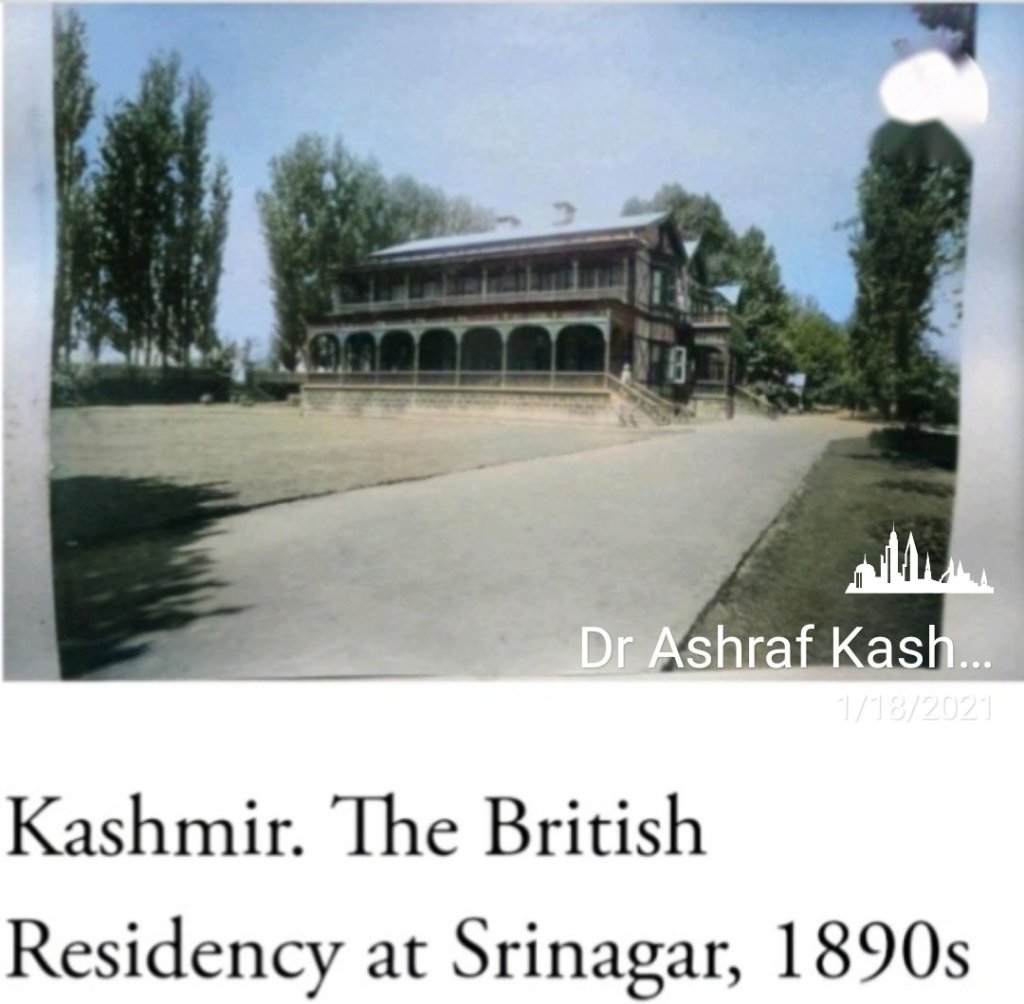
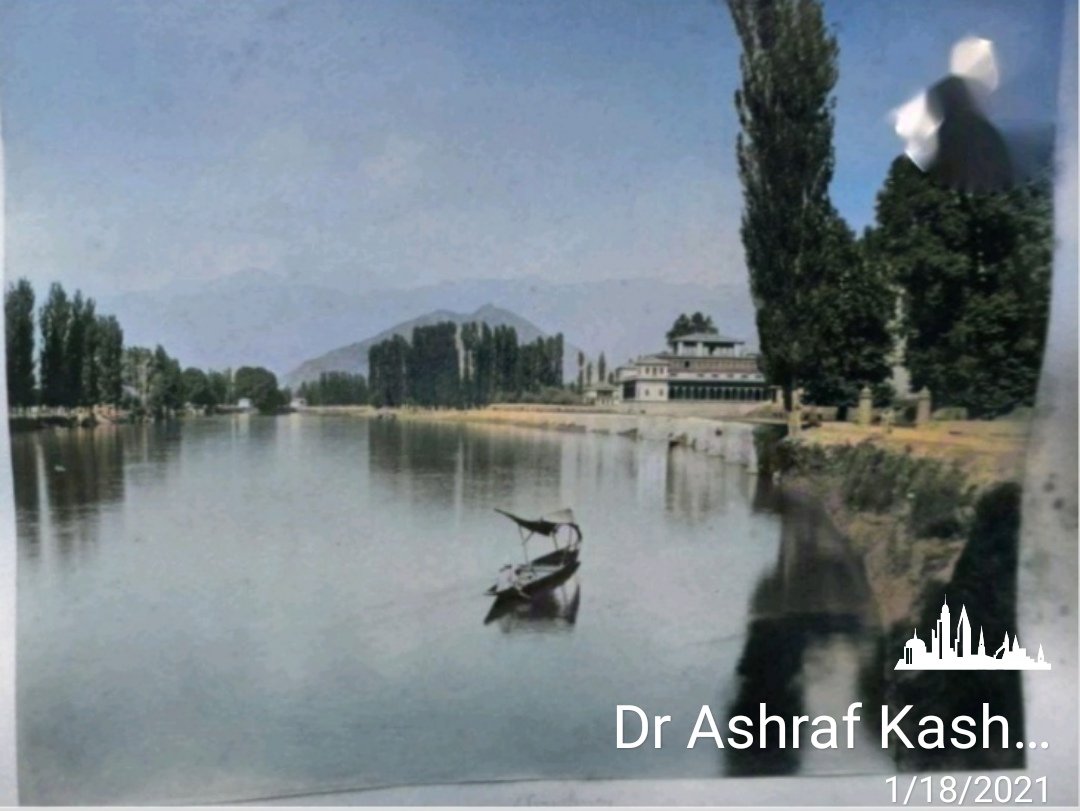
Who were Residents ?
The idea was in the air since 1848 from the time of Lord Hardinge.The Residencies of British India were political offices, each managed by a Resident, which dealt in diplomatic form with the essentially colonial relations between British India and each one or usually a territorial set of native rulers from various princely states.The Resident was a senior British official posted in the capital of these Princely States, technically a diplomat but also responsible for keeping the ruler to his alliance. This was seen as a system of indirect rule that was carefully controlled by the British Resident. His role included advising in governance, intervening in succession disputes, and ensuring that the States did not maintain military forces other than for internal policing or else form diplomatic alliances with other States.
As per the Treaty of Amritsar, there was no provision for the appointment of a Resident in the state.Sale deed of Kashmir .
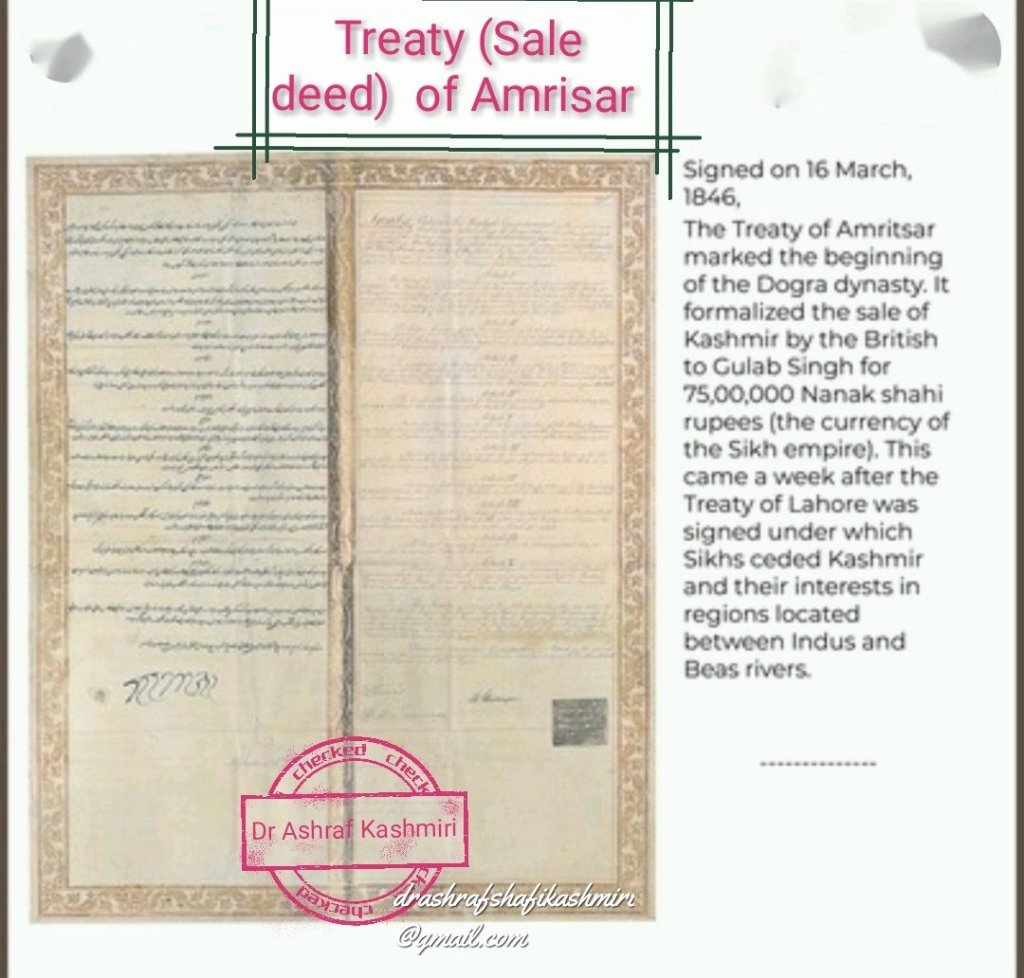
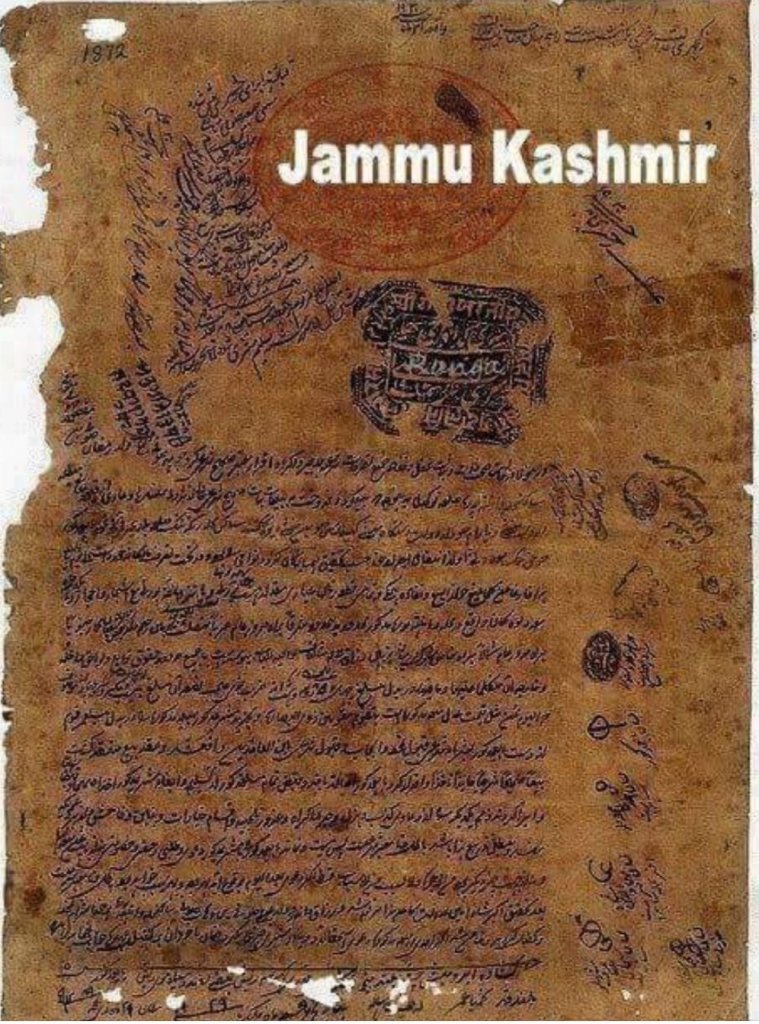
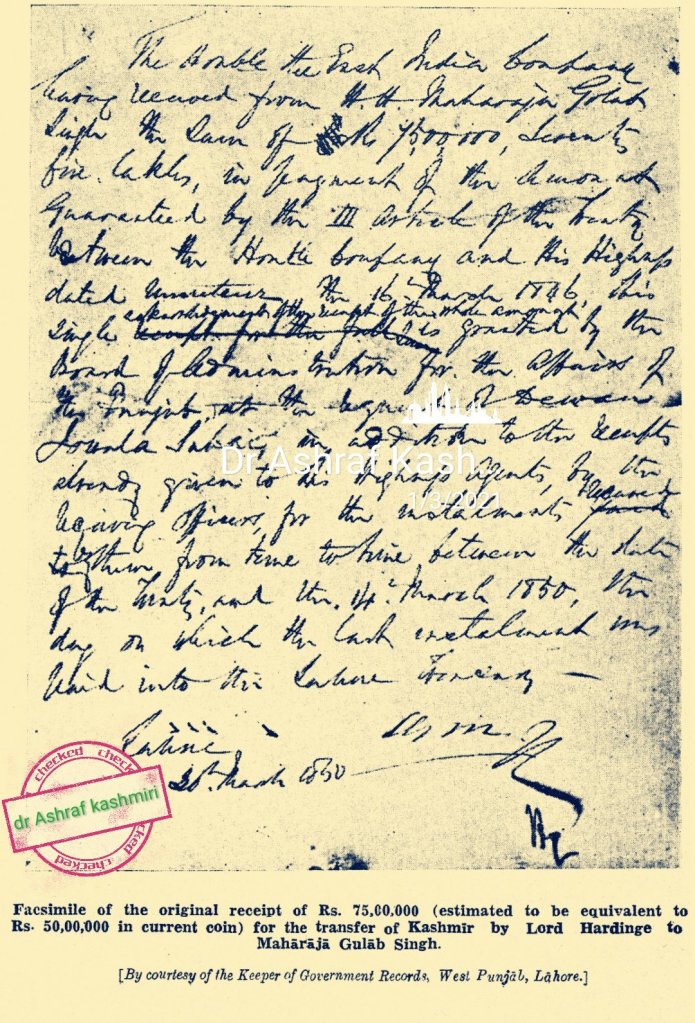
How british residents were introduced in kashmir ?
The transfer of the Valley in 1846 to Maharaja Gulab Singh also conformed to the policy of “raising a timely barrier”against Russia .
(Bamzai vol 3 p.29). After Gulab Singh became the master of the Valley as a result of the Treaty of Amritsar (1846), the British pressed the Maharaja to allow an officer of the Political Department to carry out a detailed survey of the Ladakh district and submit a report on its geography, composition of the people and the mineral wealth of the region. Alexander Cunningham who was sent to carry out the survey stayed on in Ladakh for a considerable time and kept a close watch on the happenings on the other side of the Karakoram range and collected valuable information of a political and geographical nature from the various travellers to Central Asia and Tibet
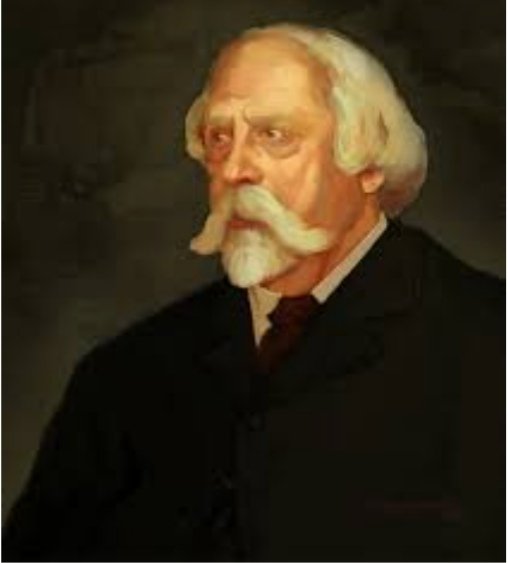
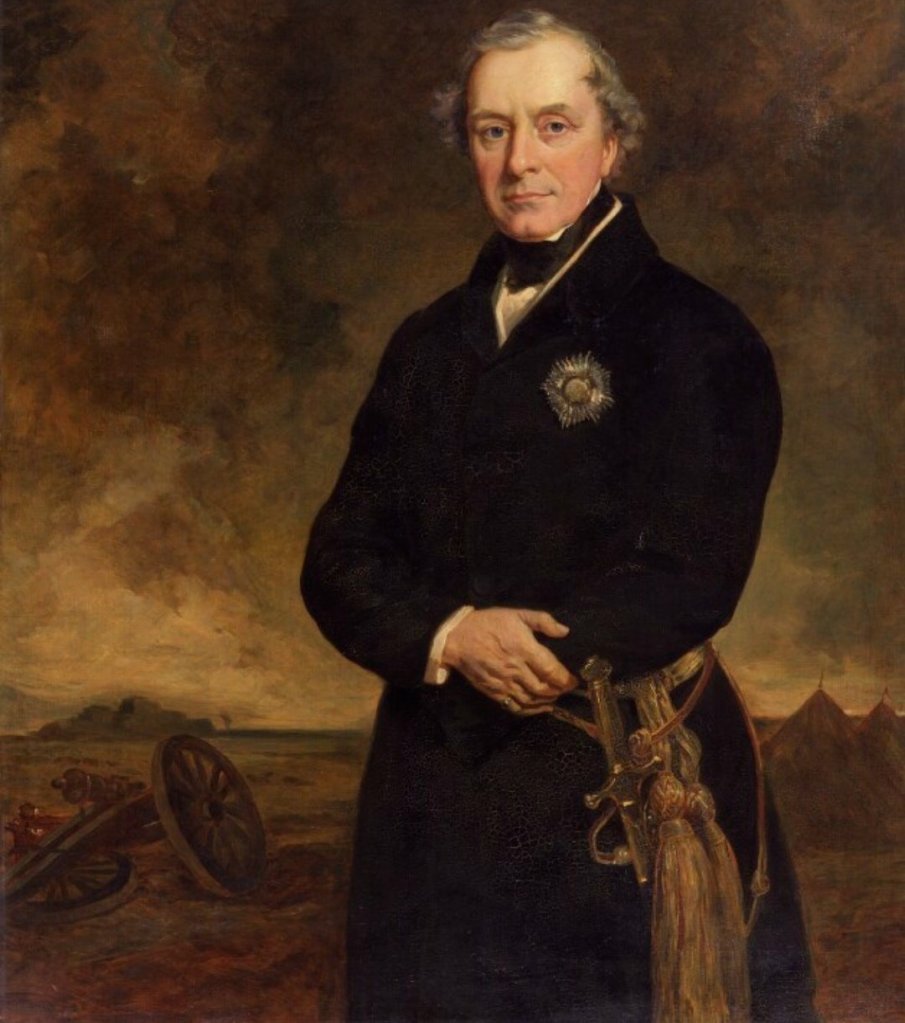
Lord Hardinge visited the Valley in 1846 and on his return to Simla sent a note to the Maharaja Gulab singh stating that the nature of his internal administration aroused misgivings in the mind of the British government and claiming the right on the part of the East India Company to interfere in his affairs.
The object of this communication was to get a Resident appointed at Srinagar for which no provision had been made in the treaty of 1846.
Complain against Dogra rule
After the formation of the State, as the Government of India was receiving complaints about the oppressive rule of the Maharaja.British Government will not permit tyranny in Cashmere and the country under your rule, and that if you will not act for yourself, some other arrangement will be made for the protection of the Hill people.”
( Sec. Progs., No. 35, January 28, 1848.)
The succeeding Governor-General, Lord Hardinge informed the Maharaja on January 7, 1848 that an experienced officer would be sent for a few months next year in spring to know the real state of things. (
For. Sec. Progs., No. 44, January 28, 1848.)
Officer on Special duty
He further added that, “If the aversion of the people to a Prince’s rule should by his injustice become so miserable as to cause the people to seek his downfall, the British Government are bound by no obligation to force the people to submit to a Ruler who has deprived himself of their allegiance by his misconduct.”- ( Lawrence to Foreign Secretary, February 28, 1848, For. Sec. Progs., No. 66-70, March 31, 1848).
The new officer came to be known as “Officer on Special Duty.”
(For. Dept.. Genl. A, No. 1A-1B, April 1868; For. Dept.. Pol.. Nos. 82-83, December 14, 1852, John Lawrence letter to Jaw ala Sahai, Diwan of Gulab Singh, January 14, 1852.)
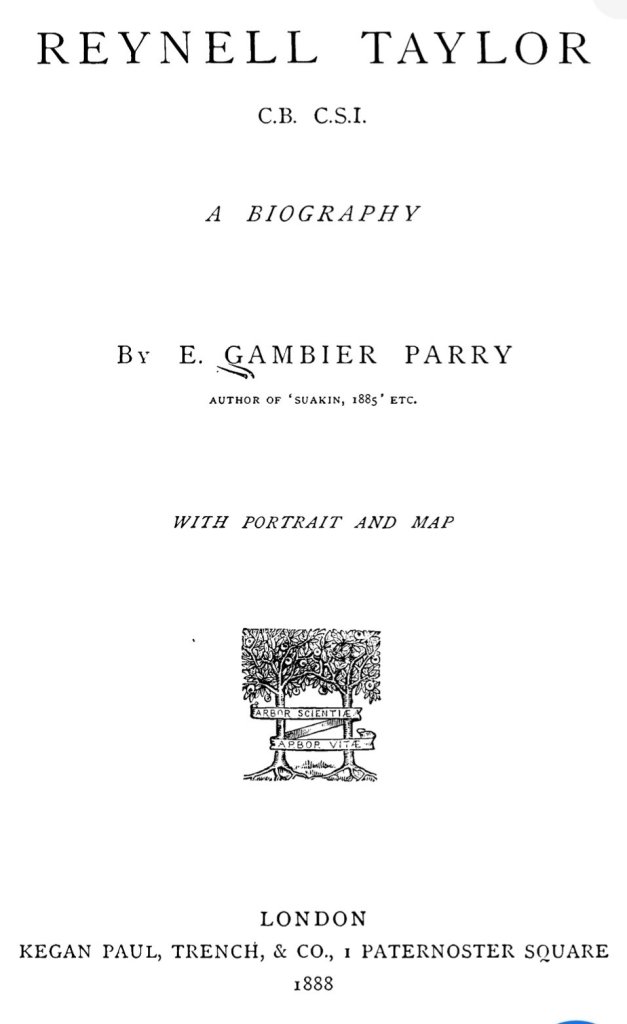
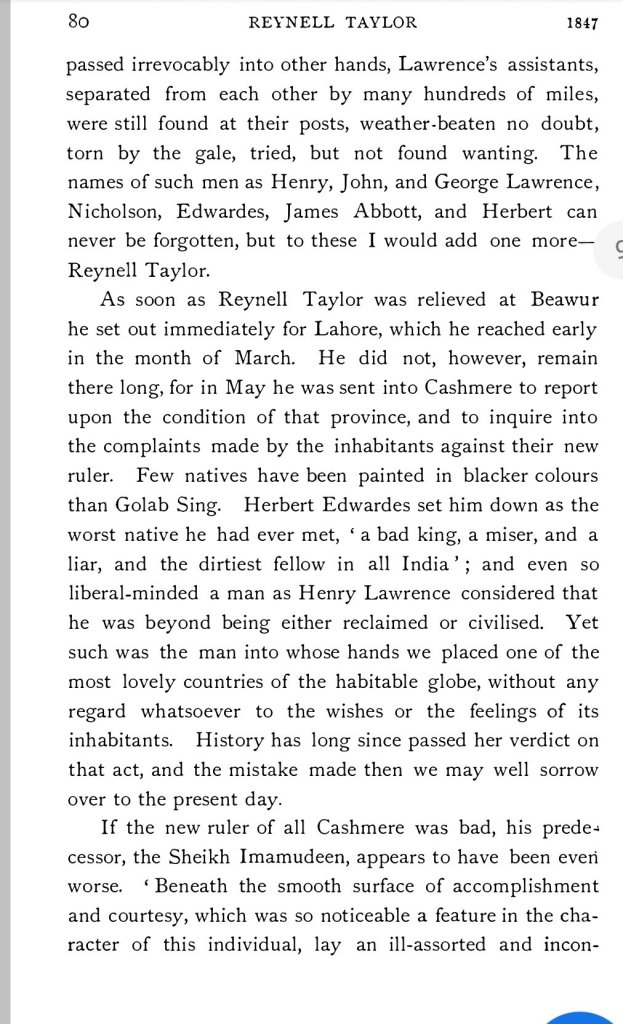
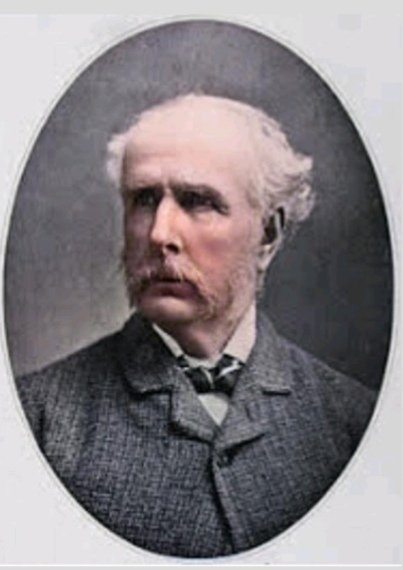
British official, Lt. Reynell Taylor Assistant to the Resident at Lahore, was deputed to Srinagar to make personal inquiries and ascertain whether the Muslim population of Kashmir was satisfied with the rule of the Maharaja. Taylor reached Srinagar on 21st June, 1847 and according to a contemporary local historian, Moulvi Hassan Shah, he addressed a large public meeting at Srinagar. At the end of his speech, he asked the people whether they were governed well and whether they would like the continuance of Gulab Singh’s rule. One and all replied in the affirmative and
First Plebiscite in Kashmir – 1847
A British official, Lt. Reynell Taylor Assistant to the Resident at Lahore, was deputed to Srinagar to make personal inquiries and ascertain whether the Muslim population of Kashmir was satisfied with the rule of the Maharaja. Taylor reached Srinagar on 21st June, 1847 and according to a contemporary local historian, Moulvi Hassan Shah, he addressed a large public meeting at Srinagar. Taylor sahib came to Kashm He called a general darbar in the Maisuma grounds (at Srinagar), and in a very loud voice he inquired “O you, the people of Kashmir, are you happy with the Maharaja’s rule or not.’ Some of the people who had been tutored by the Pandit Raj Kak Dhar (Governor kashmir ) shouted back, “yes, we are.” When Taylor sahib heard this and he felt disgusted with the character of the people of Kashmir and went back to (British) India.
(Hassnain FM. British Policy towards Kashmir (1846-1921). Sterling Publication, Pvt Ltd New Delhi p: 32.)At the end of his speech, he asked the people whether they were governed well and whether they would like the continuance of Gulab Singh’s rule. One and all replied in the affirmative and Taylor had to return a disappointed man.Reynell Taylor was accompanied in his expedition by Melvill.The principal points concerning which Reynell Taylor had to make inquiries were the free grants and money known as ‘jageers and dharmurths the condition of the Shawl-weavers, or shalbafs.
For further reading ,refer to : Biography of Reynell Taylor pp.81-82
Hindu Rulers, Muslim Subjects: Islam, Rights, and the History of Kashmir
By Mridu Rai pp.58
How Pandit Raj Kak Dhar saved Maharaja Gulab singh .
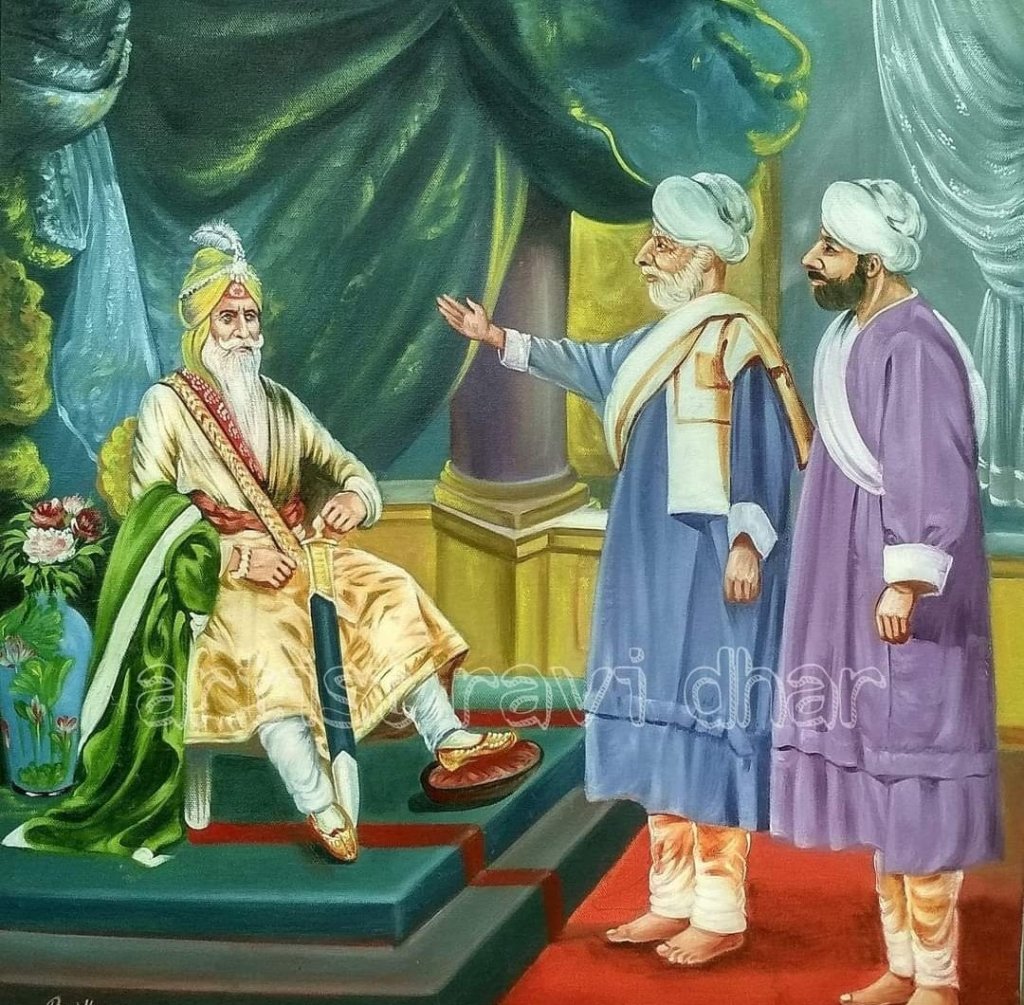
“Pandit Raj Kak Dhar Dhar, who commanded a great deal of local influence, was able to ascertain the bonafides of the jagirdars and resumed the lands of those who had been newly granted these in Jagirs helped the Maharaja to tide over the difficulty and even succeeded in taking a favourable verdict from the
commissioners “. Ater a short time he was placed in charge of the shawl department.( Citation : Suri.Sat.Prakash, The Dogras Rulers of Jammu and Kashmir, p.33.)
Gulab singh had an avid interest in the Central Asian trade and commerce. He established a Russian language school at Srinagar, the first of its kind in India, where Russian and other languages were taught. 8 ( Kashmir government records , File No. 213 of 1851 (P.R.).He despatched his agents to the Central Asian Khanates to ascertain the current political atmosphere. 9 Ibid„ File No. 313-C &313& of 1865 ; Ibid., File No. 330-A. (P.R.); Ibid., Pile No. 329-D (P.R)
Mahārājā Ranbir Singh’s expansionist policy .
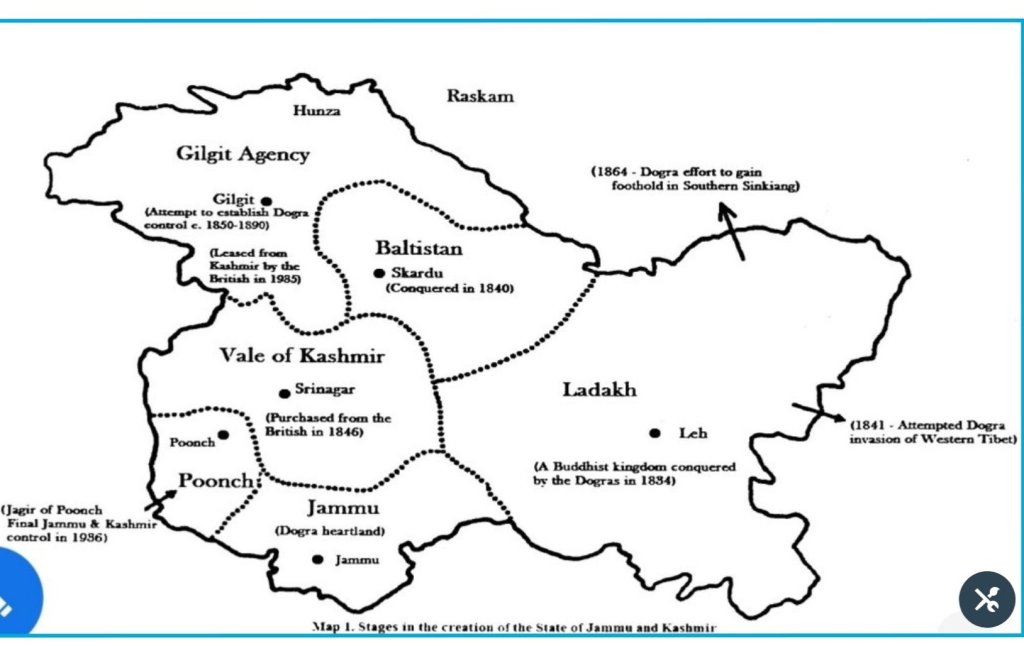
Ranbir Singh, on his part, was not a passive spectator of the moves and counter-moves that were taking place on his fron tiers. He too sent his trusted officials and agents to explore the vast regions of Central Asia and Persia.Ranbir Singh concluded a commercial treaty with Yarkand in 1867 and apprised the Government of india of the whole affair after the Yarkandi Envoy arrived in
Kashmir. ( For. Pol. A, No. 76, Progs., January 1868, December 25, 1867.) Gilgit was already occupied by Gulab Singh in 1846 now Ranbir Singh carried on the policy of his father with the result that by the end of 1870 the Dogra rulers had acquired varied degree of control over Chilas, Ponial, Yasin, Darel, Hunza and Nagar. (Pannikar, K M., op. cit., pp. 14MS ; Sufi, G.M.D., Kashmir, p. 495.)
Trusted officials and agents of Ranbir Singh .
- A)Mehta Sher Singh.
- B) Mohammad Khan Kishtwari.
- C) Kadir Joo to Yarkand
- D) Soba khan bandooki : A military officer named Soba Khan Bandooki went to study the military disposition of the Chinese in Central Asia and submitted a comprehensive report of his findings to the Maharaja’s Government.( Kashmir Government Records, File Nos. 296, 332, 379, 536.)
- Kaliq Dar to Yarkand .
Growing Russian influence on frontier of Kashmir
During the twenty years following the Crimean War( 1853) , Russia traversed 600 miles eastwards. Chimkent was occupied in 1864, Taskent in 1865, Khojand in 1866, Yani Kurgan in 1867. The Khanate of Bokhara was brought within the Russian sphere of influence, Samarqand was occupied in 1868 and the Russians entered Khiva
in 1873.The Russian acquisitions of Central Asia created panic in the
Brit ish circles and it was fe lt that Russia was fast marching
towards India via Kashmir .
Emergence British Resident
———————————————-
KoThe Russian advance alarmed the British and as a counter move, they took effective steps in the consolidation of
 Thus the Government of India was eager to take any step that would strengthen its hold over the administration of Kashmir S ta te .
 Most important step in this direction it was feltwas the
 appointment of a British Resident in the State who would keep a close watch on a  the activities on and beyond the Kashmir borders.
Officer on Special duty in Leh & Gilgit .
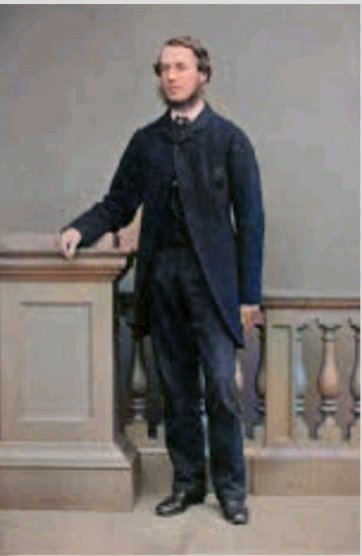
The British had so far succeeded in appointing an officer on
Special Duty in Kashmir in 1852 and a in January 1867, a British Agent at Leh was appointed “as an experimental measure for one season’’ only. Ostensibly appointed as a trade Agent, he was to collect information about the Chinese Turkistan.
(For. Dept. Progs., Pol. A, Nos. 6-9, March 1868)
But became permenent feature by 1869 .It was in 1870 that Ranbir Singh was persuaded to appoint Mr. Drew and later in 1871 Mr. Johnson as his commissioners for the district of Ladakh.Brish Agency at Gilgit it was also established in 1877.
Mian Hutto Singh, son of the Maharaja Gulab by a slave girl” was sent to meet Lt. Taylor. An idea of the then state of things in Srīnagar could be had from Taylor’s diaryl(Travels in Ladak, Tartary and Kashmir ,GMD sofi 783 )
Yarqand under Yaqub Beg
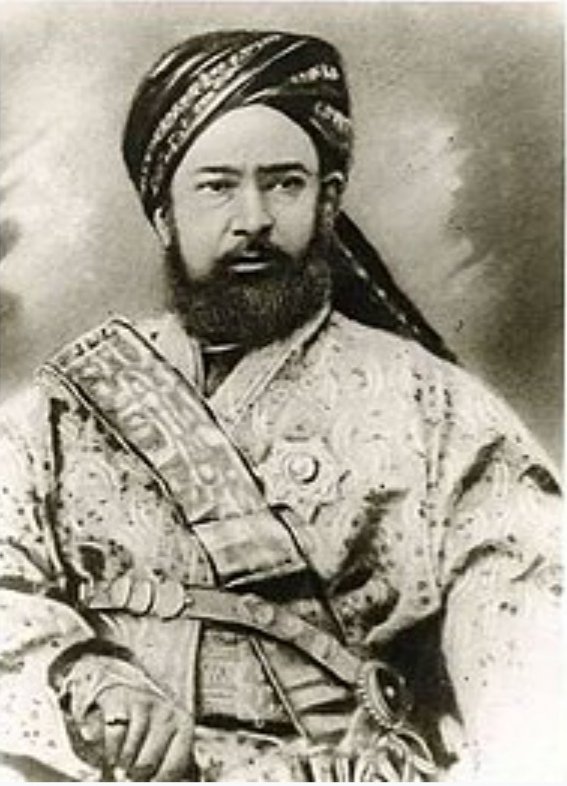
It was during these years significantly that the revolt of Yaqub Beg took place resulting in the establishment of his short-lived independant State of Kashgharia and Yarkand.
it was to the Maharaja’s court that the first envoy of Yaqub Beg came in 1872 with presents from his master. The Maharaja, however, directed him to see the Viceroy, and as a result of this, Douglas Forsythe was despatched to Central Asia. His mission paved the way for later British Indian commerce with these regions.(Citation : Kashmir Government Records: File Nos. 486B & 757A-B.)
A Kashmiri, named Khaliq Dar, who after his return from Yarkand reported in the middle of 1873 that at Yarkand he had met a member of the Russian Mission, who suggested that there should be a direct correspondence between the Government of Russia and Kashmir Darbar. The Maharaja informed at once the Government of Punjab. The Lt. Governor though appreciated the stand of the Maharaja, yet he held that the intercommunication with Russia was an imperial charge. 39
For. Pol. Progs., Sec., Nos. 19-29, March 1875.;Henery Davies to Maharaja Ranbir Singh, September 26, 1873)
The Maharaja was also pressed by the British to grant a Jagir in Kashmir to Haji Yaqub Tora, the envoy of Yaqub Beg, and to this effect a sanad dated Samvat 25th Magh, 1931, corres ponding to 8th February, 1877, was granted to Yaqub Beg by the Maharaja.( Kash. Govt. Rec,: File No. 486-B.)
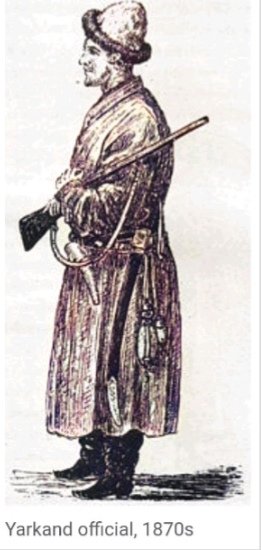
Maharaja Ranbir Singh was further pressed to enter into a “commercial” treaty with the British Government in 1873, according to which a British Joint Commissioner was appointed at Leh to look after the upkeep of the road and the safety of the travellers to Central Asia.( H. W. Bellew : Kashmir & Kashgar, A Narrative of the Journey of the Embassy to Kashghar in 1873.)
Ranbir Singh had sent, with the knowledge of the Government of India, his secret agents to Tashkent in 1868. But as the concerned british officials were subsequently changed, the Maharaja’s action was interpreted as his manipulations, “to open up direct relations with Russia.” (For. Sec. Progs., No. 82, April 1873 ; For. Secret ., Nos. 19-29 (K.W.), Progs., March 1875.)
First Resident in kashmir .
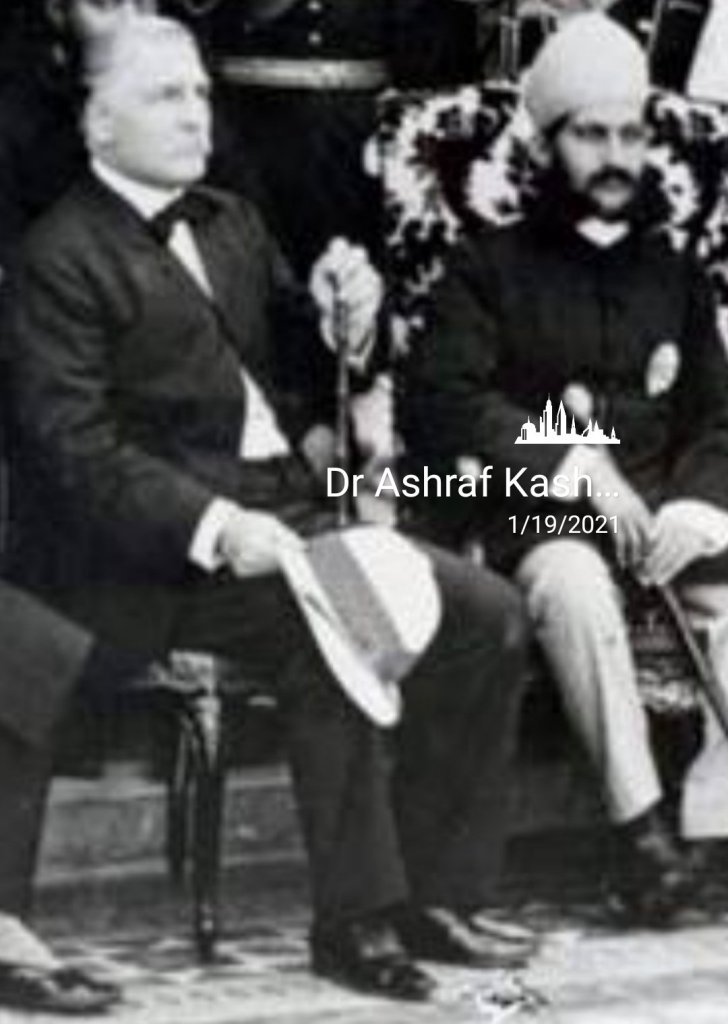
Meanwhile the ailing MaharajaRanbir , who in 1882 had already made a request to the Government of India to nominate his youngest son Amar Singh as his successor —as the latter was “wiser” than his other two brothers, Pratap Singh and Ram Singh—repeated it in 1884 as well. Lord Ripon, had, with the approval of the Secretary of State, decided to proclaim Pratap Singh, the eldest son of Maharaja Ranbir Singh, as the Maharaja of Kashmir, and to post a Resident in the State, who should replace the Officer on Special Duty on the new Maharaja. The new Maharaja was also to be instructed to carry out a set of reforms. Thus before his departure Lord Ripon had laid down the blue print of the policy for the appointment of the Resident in Kashmir, after the death of Ranbir Singh.
- Sir Oliver Beauchamp Coventry St John
- T.J.C. Plowden.
- Robert Parry Nisbet
- Mr Harward dean
- Francis Edward Younghusband
- Sir Stuart Milford Fraser
- Sir henry Ramsay.
To be continued ……
 Site Title